
Pounds of Cargo Annually
FAA Control Tower
Employees
ILS All-Weather Runways
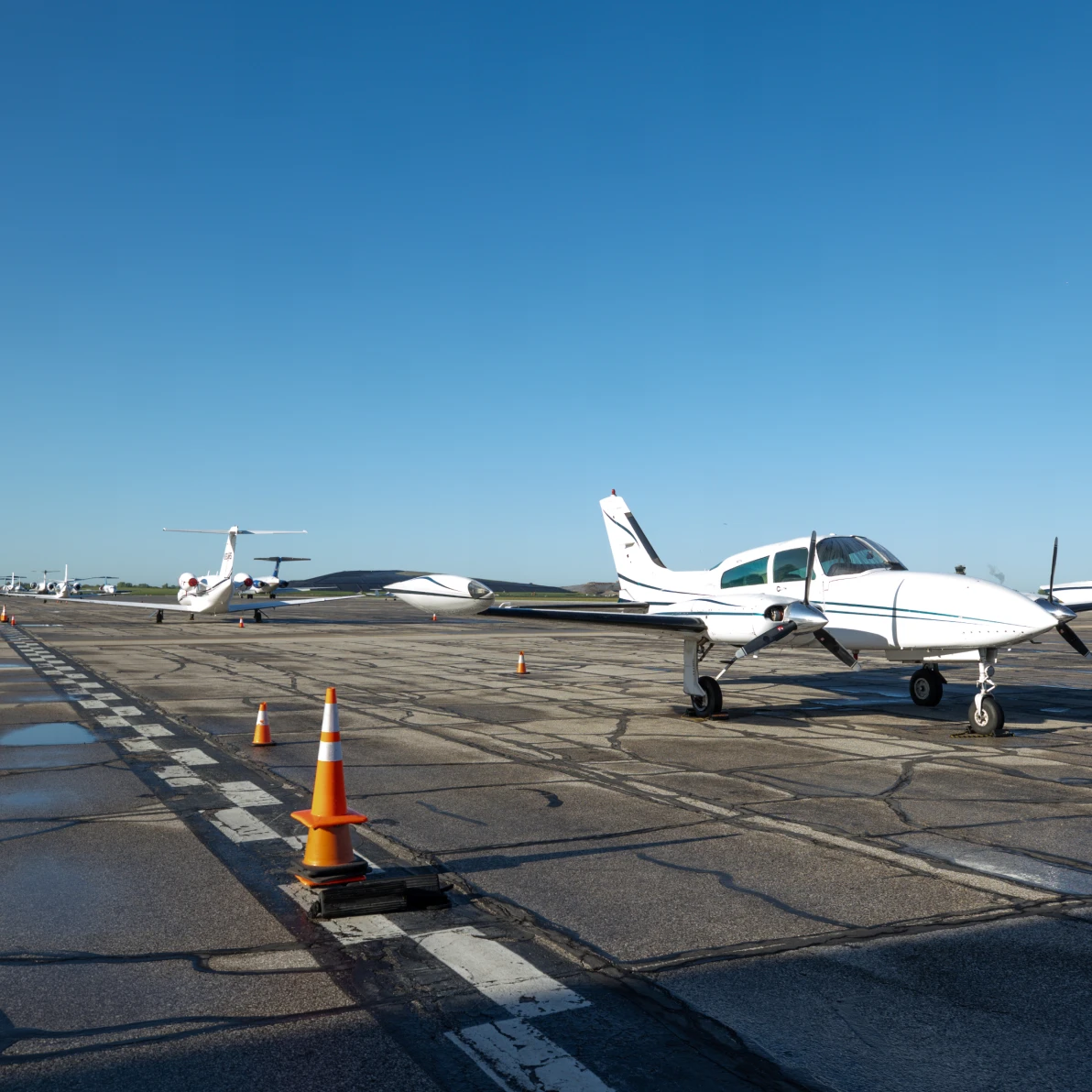
Originally built during World War II to serve the booming aircraft industry, Willow Run Airport has evolved into a modern, business-focused airfield that continues to fuel innovation and growth.
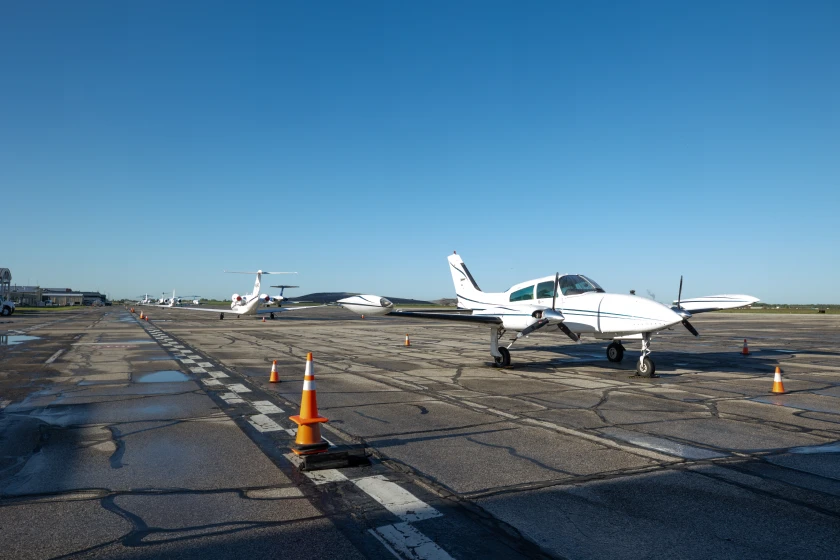
Today, Willow Run serves as a hub for cargo operations, general aviation, and corporate flights, offering convenient access to the Detroit region and beyond.
With recent infrastructure upgrades and a commitment to safety, efficiency, and economic impact, Willow Run remains one of the most capable and forward-looking airports in the region—connecting people, businesses, and opportunities.
America’s Premier Warbird Air Show
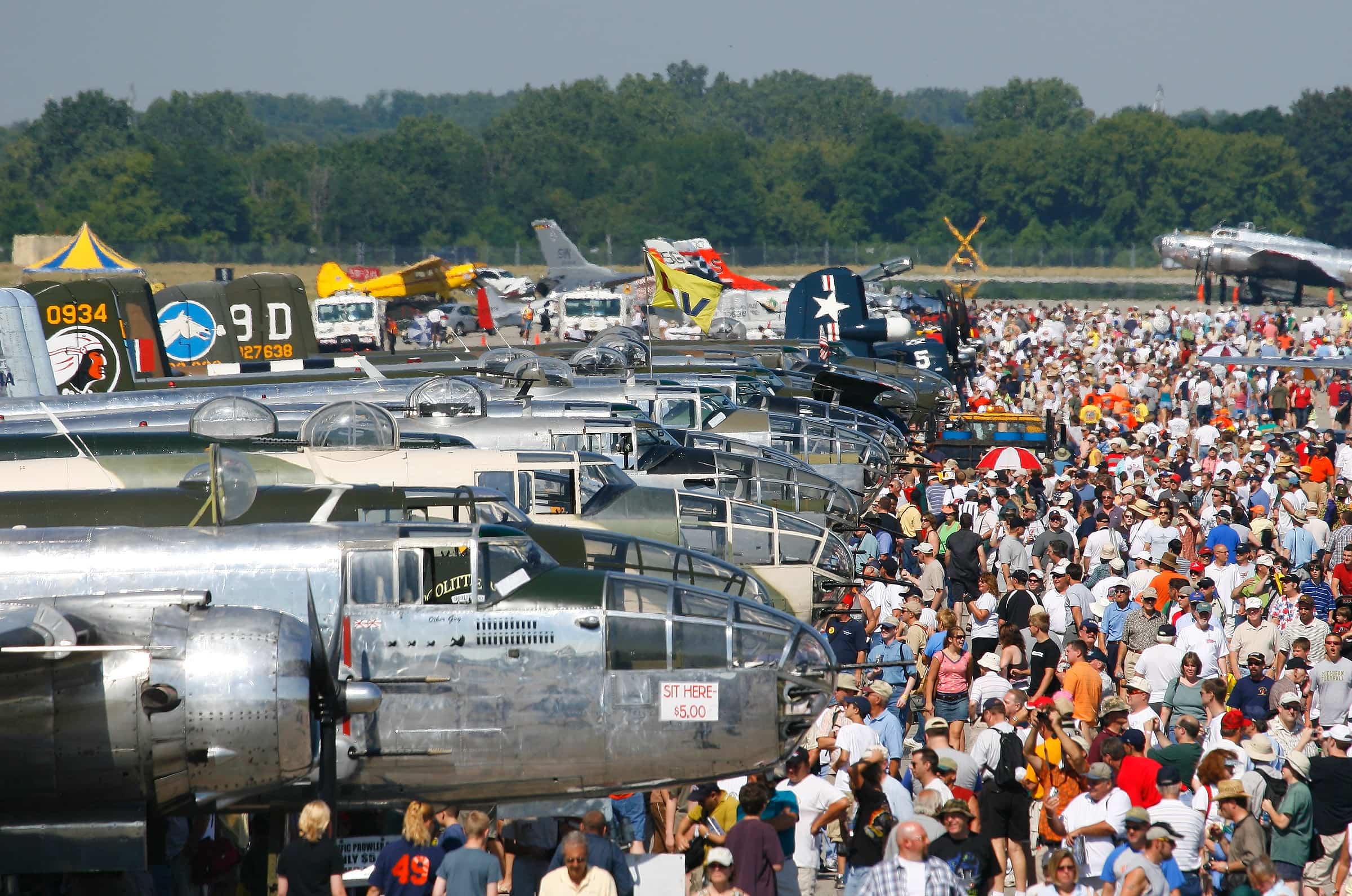
Thunder Over Michigan is an annual air show at Willow Run Airport featuring thrilling aerobatic performances, historic warbirds, modern military aircraft, and family-friendly activities that celebrate aviation history and support the Michigan Flight Museum.
Scroll for timeline ↓
1941
When the United States becomes involved in World War II in 1941, the federal government purchases a site for construction of an army air base and test field for B-24 “Liberator” bombers. The site adjoins approximately 320 acres of land owned by Henry Ford and located on the banks of a stream called “Willow Run.” The federal government selects Henry Ford and the Ford Motor Company to build what would become the largest bomber plant in the world.
1942
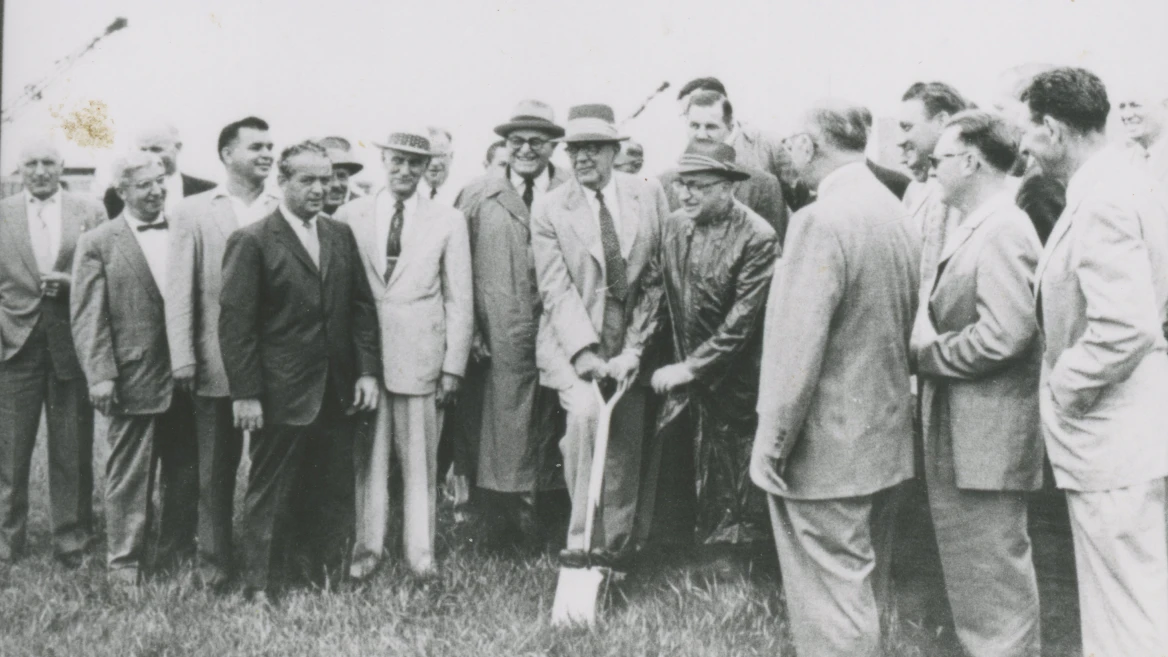
Willow Run Airport construction, including Hangar 1, is completed. The U.S. government invests an estimated $15 million.
1945
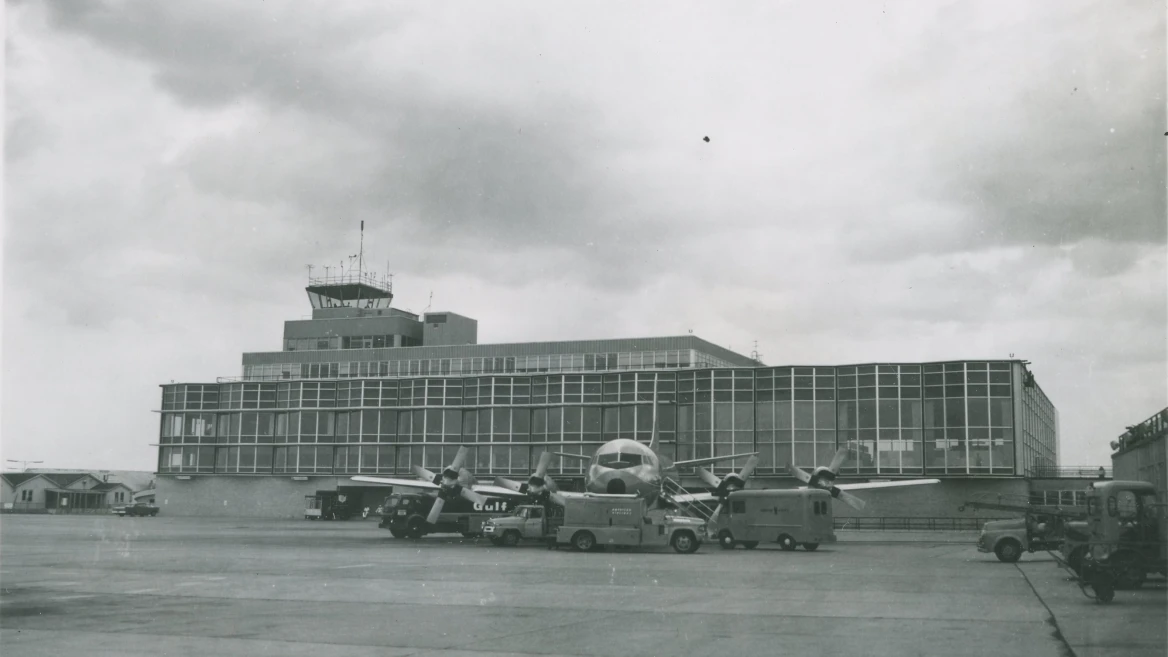
By 1945, the airlines have outgrown the available space at Detroit City Airport and the airport is not large enough to accommodate the four-engine transport-type aircraft airlines are purchasing. As a result, airline operations are transferred to the larger Willow Run Airport.
1946
Warren Avis opens his first car rental location—"Avis Airlines Rent A Car Systems"—at Willow Run Airport. It’s the first rental car operation at an airport.
1947
The federal government sells Willow Run Airport to the University of Michigan for $1. A $1.5 million remodeling project is completed at YIP, converting the former B-24 bomber hangar into a passenger terminal. By 1947, all seven airlines serving Detroit are operating at Willow Run.
1950s
Some commercial air traffic begins moving from Willow Run to Detroit-Wayne Major Airport. In 1953, The Willow Run Bomber Plant is eventually sold to General Motors to build transmissions. As airplanes of the jet age require even larger airfield and terminal facilities, airline operations begin to transfer once again. In October 1958, American and Allegheny Airlines move their scheduled passenger operations from Willow Run to the newly completed terminal facilities at Detroit Metropolitan Wayne County Airport (DTW). The airlines join Pan American World Airways, which began service at DTW in 1952.
1960s
By June 1966, the final commercial air carriers at Willow Run Airport—United Lake Central, North Central and Mohawk Airlines—move their service from Willow Run Airport to Detroit Metropolitan Airport. This change eventually solidifies Willow Run’s important role as a reliever airport, and brings the number of scheduled passenger airlines at DTW to 13.
1977
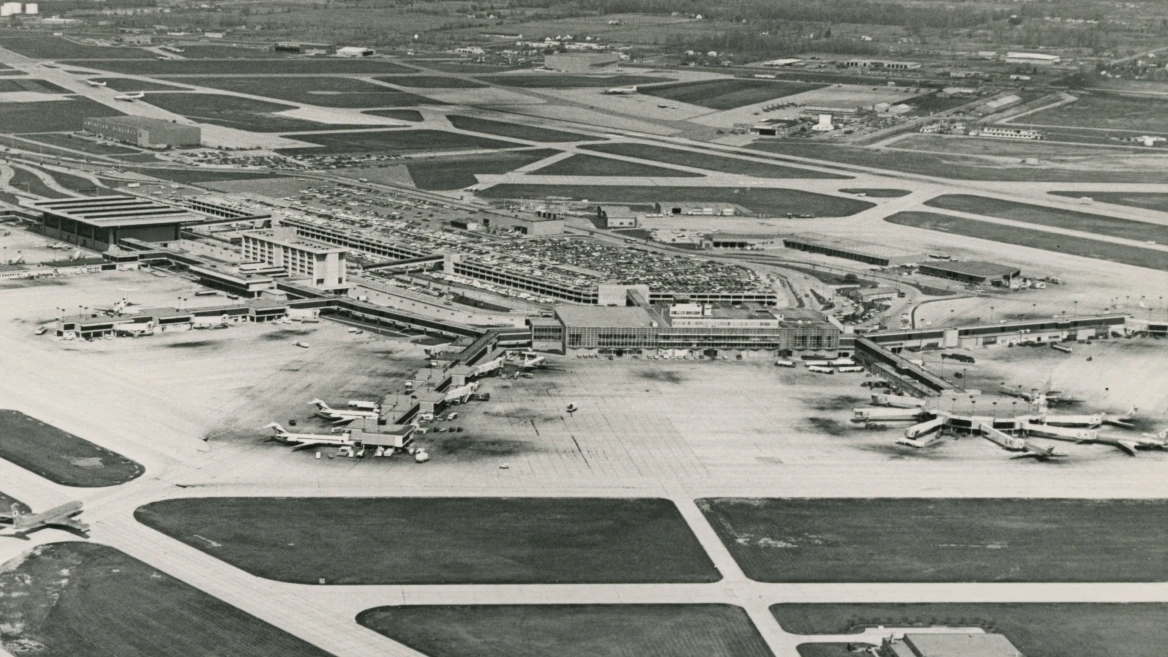
In 1977, the University of Michigan sold Willow Run to Wayne County for $1.00. Willow Run has been a cargo, general aviation, and executive aviation airport since the end of commercial passenger service.
1981
The Yankee Air Museum opens on the grounds of Willow Run Airport.
2003
YIP receives the 2002-2003 Balchen/Post Award in the Large General Aviation Airport category. The award recognizes airports for excellence in the performance of airport snow and ice control.
2004
Fire destroys the original Yankee Air Museum and Willow Run Airport’s maintenance building, equipment and vehicles.
2010
The airport's history reflects its evolution from a World War II bomber plant airfield to Detroit's primary commercial airport in the immediate post-war years, and finally to its current role as a cargo and general aviation facility.
2014
Runway 5R/23L reopens at Willow Run Airport. The 7,526-foot runway is Willow Run’s longest and its only Instrument Landing System (ILS) runway. 5R/23L was originally built to launch B-24 Bombers for the U.S. Army Air Corps.
2021
YIP receives the 2020-2021 Balchen/Post Award in the Small General Aviation Airport category.
2023
Hangar 1 is decommissioned, saving nearly $1 million in operational and energy costs.
2023
YIP receives the 2023-2024 Balchen/Post Award in the Large General Aviation Airport category.
2024
Wayne County Airport Authority staff members based at YIP move into a new administration building known as the Willow Run Airport Schoolhouse.


Detroit Metropolitan Wayne County Airport (DTW) is Michigan’s busiest airport, connecting over 30 million passengers annually through world-class terminals and global flight routes.